

Many of you know that azithromycin is often used as part of the treatment of acute exacerbations of chronic obstructive pulmonary disease (COPD). And this is done even when there is no evidence of a bacterial infection. That means there are two possible explanations: (1) it’s just assumed that there is a bacterial infection there,Continue reading “Episode 6: Why is azithromycin anti-inflammatory?”
Category Archives: Uncategorized
Episode 5: How do diuretics lead to metabolic alkalosis?
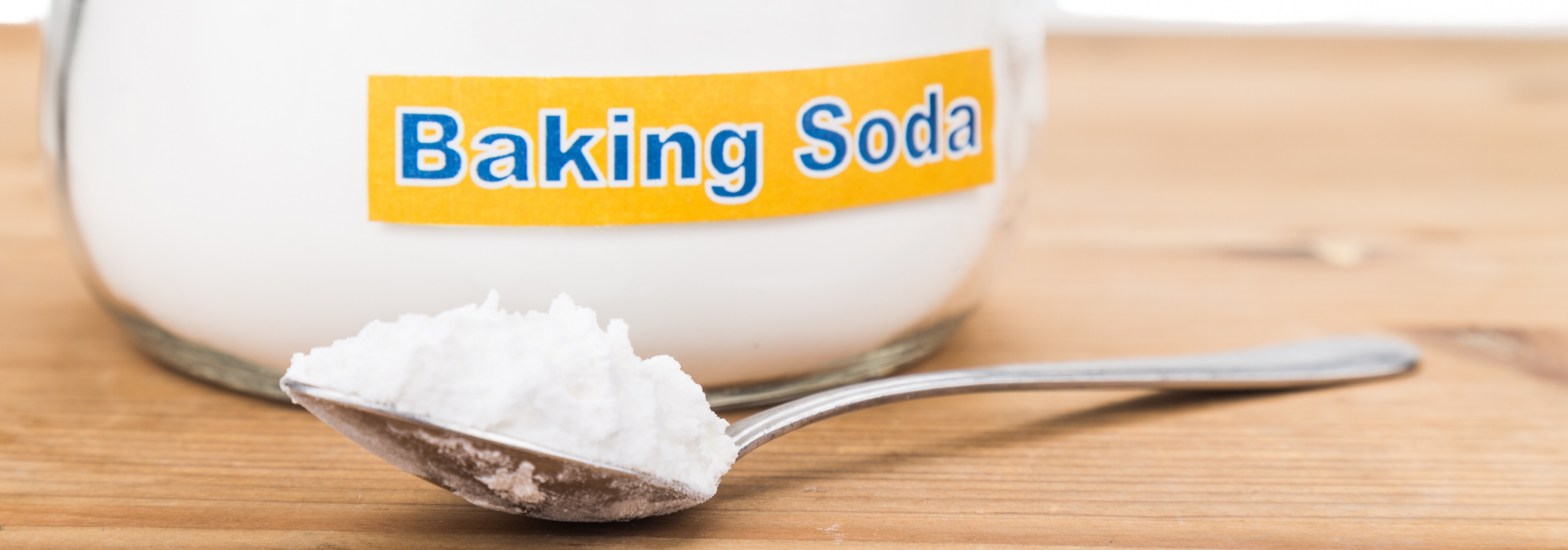
On this episode of the podcast, the group answered a question that is often addressed with a wave of the hand: How do diuretics lead to metabolic alkalosis? Along the way, we dissected what is meant by contraction alkalosis, introduced a protein that none of us had heard of until exploring this question, and foundContinue reading “Episode 5: How do diuretics lead to metabolic alkalosis?”
Episode 4: Why did Van Gogh paint with so much yellow?

Based on a tweetorial Avi published in June 30, 2019.
Episode 3: Why does TMP/SMX cause an isolated rise in creatinine?
For this episode of the podcast, we discuss something Hannah became interested in after seeing a question about it on Twitter. Here’s a link to Hannah’s explanation on the topic and the original case tweet. GFR basics To understand why TMP/SMX might lead to an increase in creatinine without a fall in renal function, weContinue reading “Episode 3: Why does TMP/SMX cause an isolated rise in creatinine?”
Episode 2: Why is cancer considered a hypercoagulable state?

For this episode we discuss a tweetorial Tony posted on September 4, 2018. Here’s a link to the full thread: A bit of history In addition to the content covered in the tweetorial, we discussed some history. In 1865, Armand Trousseau, a French physician, was one of the first to describe an association between thrombosisContinue reading “Episode 2: Why is cancer considered a hypercoagulable state?”
 The Curious Clinicians