
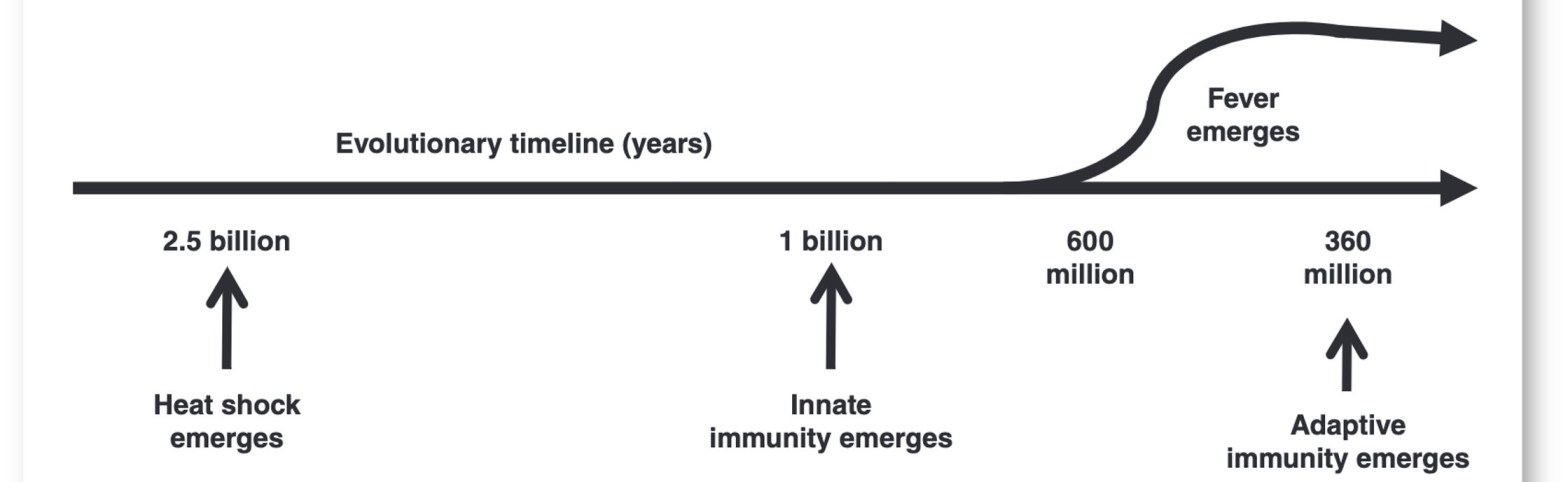
This episode is our second related to the topic of fever. In episode 21 we discussed the connection between fever and rigors and whether either can predict bacteremia. For this episode, we discussed the role and benefits of fever in infectious diseases. To do so required us to go back a few hundred million years.Continue reading “Episode 24: Why is fever beneficial?”
Category Archives: Uncategorized
Episode 23: Why does “bendopnea” occur?

The “intern question” for this episode resulted from one of Hannah’s experiences on the wards. She cared for a patient who reported a symptom that was new to her. It was new to all of us. This is a bit unsurprising as it has a relatively limited body of available literature, having been first describedContinue reading “Episode 23: Why does “bendopnea” occur?”
Episode 22: Why is cystic fibrosis one of the most common genetic diseases?
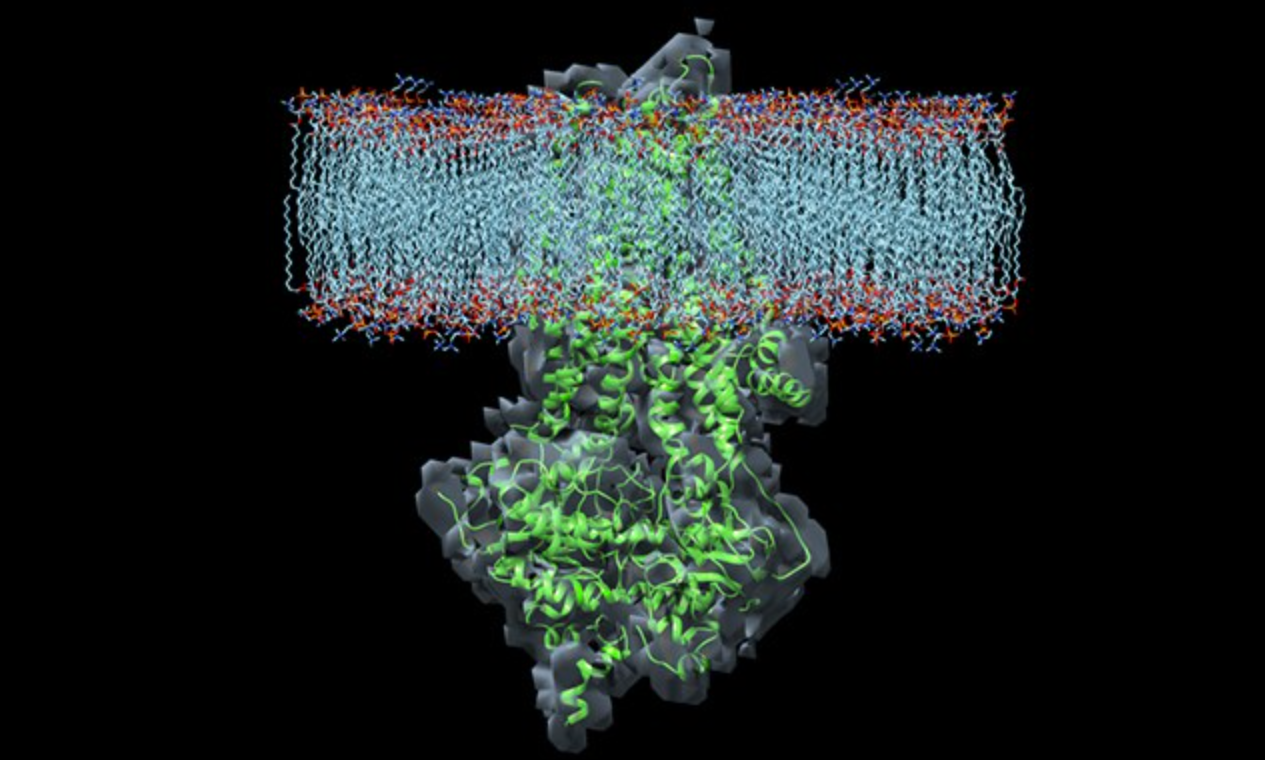
Is there a selective advantage to being heterozygous for a cystic fibrosis gene mutation? If so, what does this mutation protect against? These – and other questions – were discussed in Episode 21 of the podcast. But, before getting into potential answers, some background is in order. Cystic fibrosis is an autosomal recessive genetic disorderContinue reading “Episode 22: Why is cystic fibrosis one of the most common genetic diseases?”
Episode 21: Why do we feel cold when we have a fever?

In this episode, we discussed fevers and chills. More specifically, we asked “why do we feel cold when we have a fever?” Shouldn’t we feel hot? We also discussed the dictum “culture if spikes”, meaning if your patient spikes a fever, blood cultures should be ordered. It is certainly one of the most common contingenciesContinue reading “Episode 21: Why do we feel cold when we have a fever?”
Episode 20: Why do myocardial infarctions cause ST elevation?
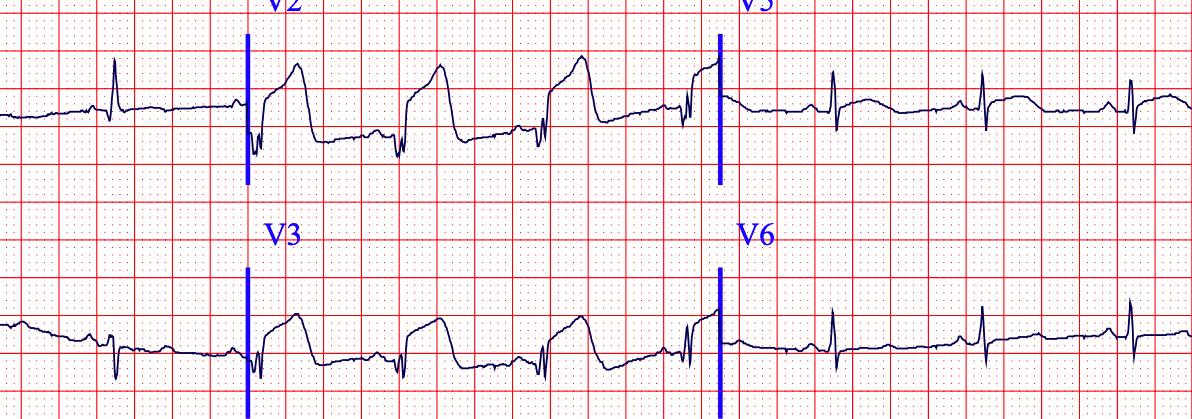
In this episode of the podcast we explored why transmural myocardial infarctions cause ST elevations on EKG. While the it seems obvious that STEMIs are associated with ST elevations, the mechanism involved is fascinating and leads to doubts about the name! To begin, recall that the ST segment represents the isoelectric period between depolarization andContinue reading “Episode 20: Why do myocardial infarctions cause ST elevation?”

