
Most of us have seen a patient with Cheyne-Stokes respirations, whether we know it or not. This pattern of breathing consists of a continuous cycle of hyperpnea (i.e., fast and deep breathing) and apnea. And the cycle just goes back and forth between these two patterns. Cheyne-Stokes is a very old clinical sign. Hippocrates (orContinue reading “Episode 34: Why does severe heart failure lead to Cheyne-Stokes breathing?”
Category Archives: Uncategorized
Episode 33: How does Sinemet’s name provide insights into why it was developed and its mechanism of action?
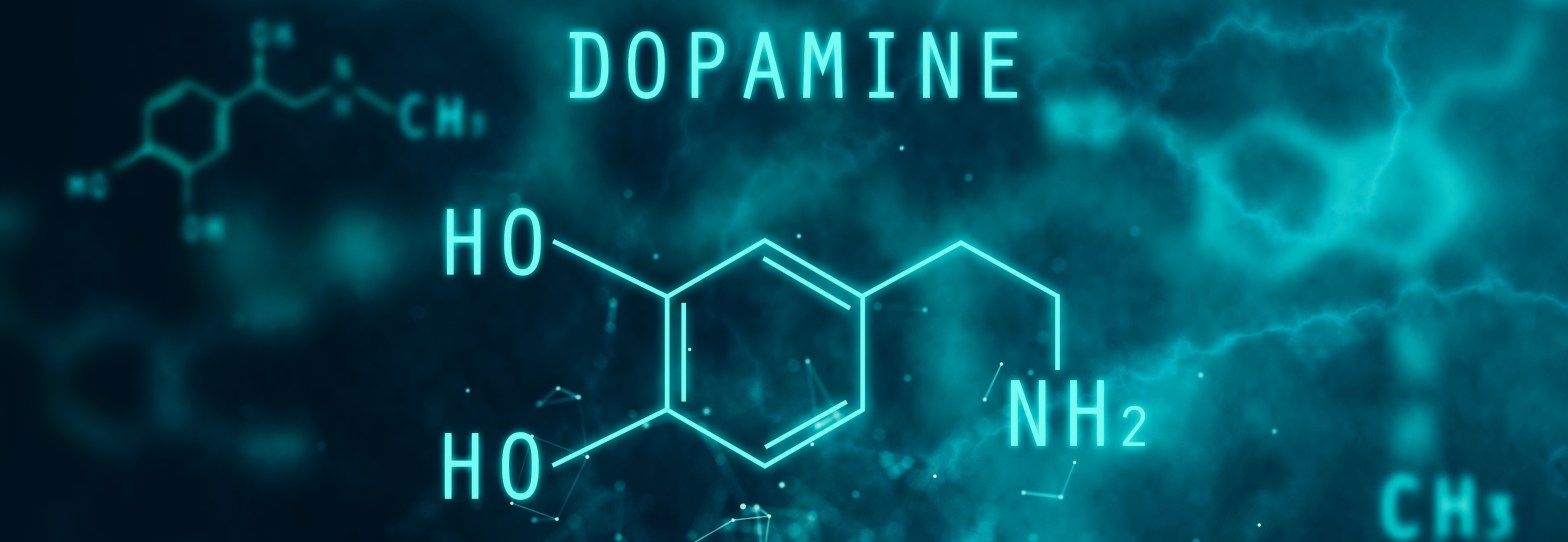
For this week’s episode, we discussed drug names. More specifically, we talked about how one drug’s name says a lot about its development and mechanism of action. The drug: Sinemet (carbidopa/levodopa). To understand the origin story of Sinemet, one must first recall that the key pathologic feature of Parkinson disease (the most common indication forContinue reading “Episode 33: How does Sinemet’s name provide insights into why it was developed and its mechanism of action?”
Episode 32: Why do eosinophils vanish from the blood after treatment with corticosteroids?

We have all likely seen eosinophils vanish from the blood after starting steroids. What is going on? This was the topic of Episode 32 of the podcast. By way of background, eosinophils (named for their red color with hematoxylin and eosin staining) are granulocytic white blood cells that develop in the bone marrow and resideContinue reading “Episode 32: Why do eosinophils vanish from the blood after treatment with corticosteroids?”
Episode 31: Why does nephrotic syndrome cause edema?
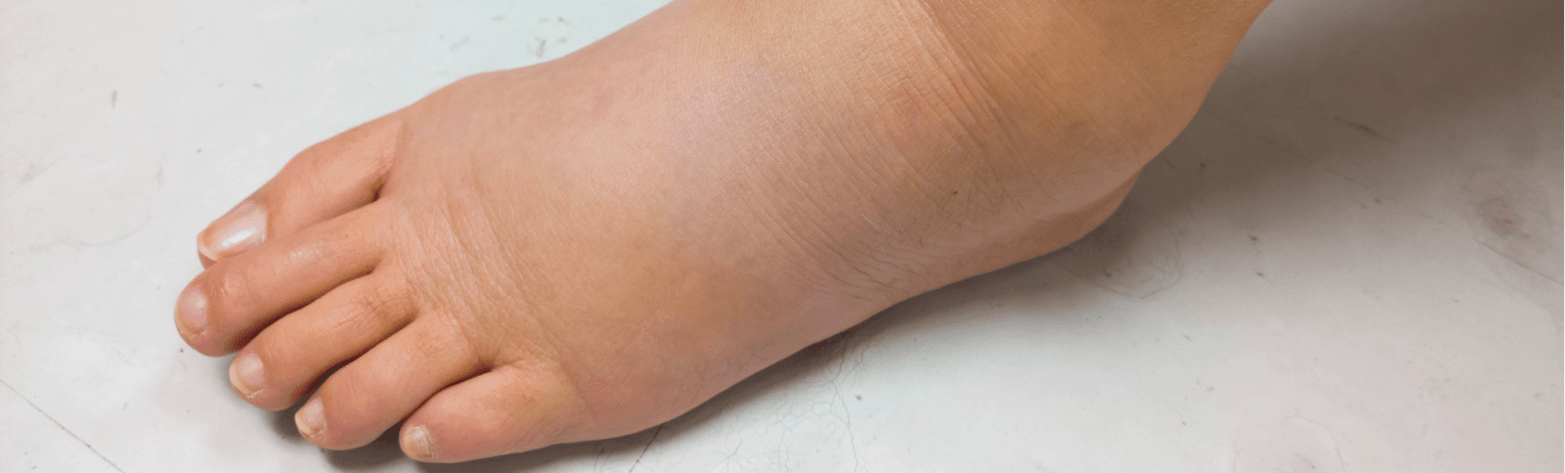
Each specialty has expertise in a set of symptoms. For a pulmonologist like Avi, that might be undifferentiated dyspnea. For a future hematologist like Hannah, that might be easy bruising. There are some symptoms whose causes span so many diseases and systems that they can’t be owned just by the subspecialists but instead should beContinue reading “Episode 31: Why does nephrotic syndrome cause edema?”
Episode 30: Why do some people taste soap when they eat cilantro?
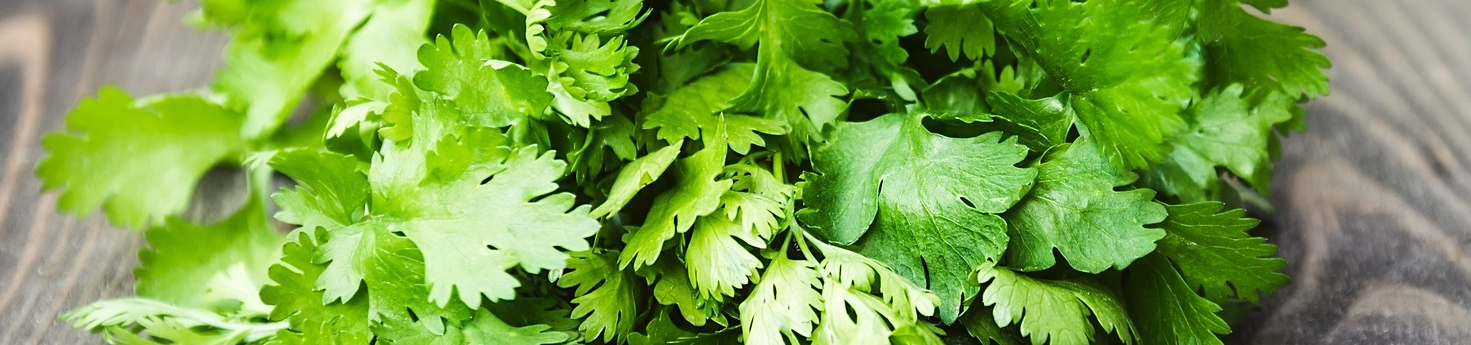
For this episode, we dove back into the culinary world. In Episode 9 we examined the mechanisms of umami flavor and in Episode 18 we learned about thirst. For this episode we asked why some people love cilantro while others simply taste soap. It turns out that the disagreement about cilantro – whether it isContinue reading “Episode 30: Why do some people taste soap when they eat cilantro?”

