
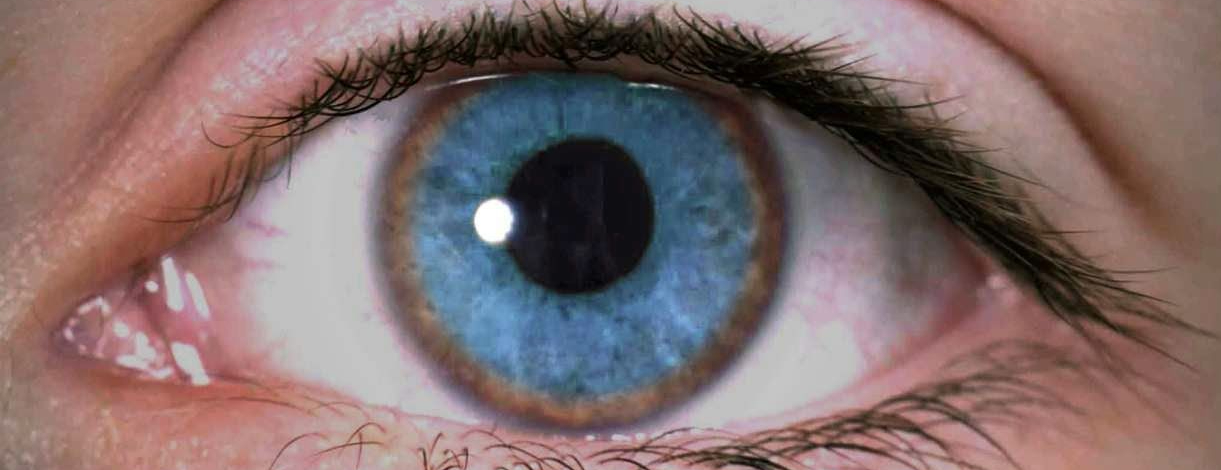
This is the first episode in a two part series we called “The Eyes Have It”. For this episode, Avi discussed Kayser-Fleischer rings, the well-known – if rarely seen – physical exam finding associated with Wilson disease. Wilson disease is an autosomal recessive inherited dysfunction of the ATP7B copper transporter, whereby copper is unable toContinue reading “Episode 16: Why do Kayser-Fleischer rings form in the cornea in Wilson disease?”
Category Archives: Uncategorized
Episode 15: Why does cryptococcal meningitis cause severe elevations in intracranial pressure?

In this episode we examined why cryptococcal meningitis can lead to severe increases in intracranial pressure (ICP, defined as an opening pressure at lumbar puncture of 20 cm H2O), despite often being associated with such little inflammation in the cerebrospinal fluid (CSF). The association between cryptococcal infection and elevations in ICP is well established, especiallyContinue reading “Episode 15: Why does cryptococcal meningitis cause severe elevations in intracranial pressure?”
Episode 14: Why do septic pulmonary emboli occur in the periphery and bases of the lungs?
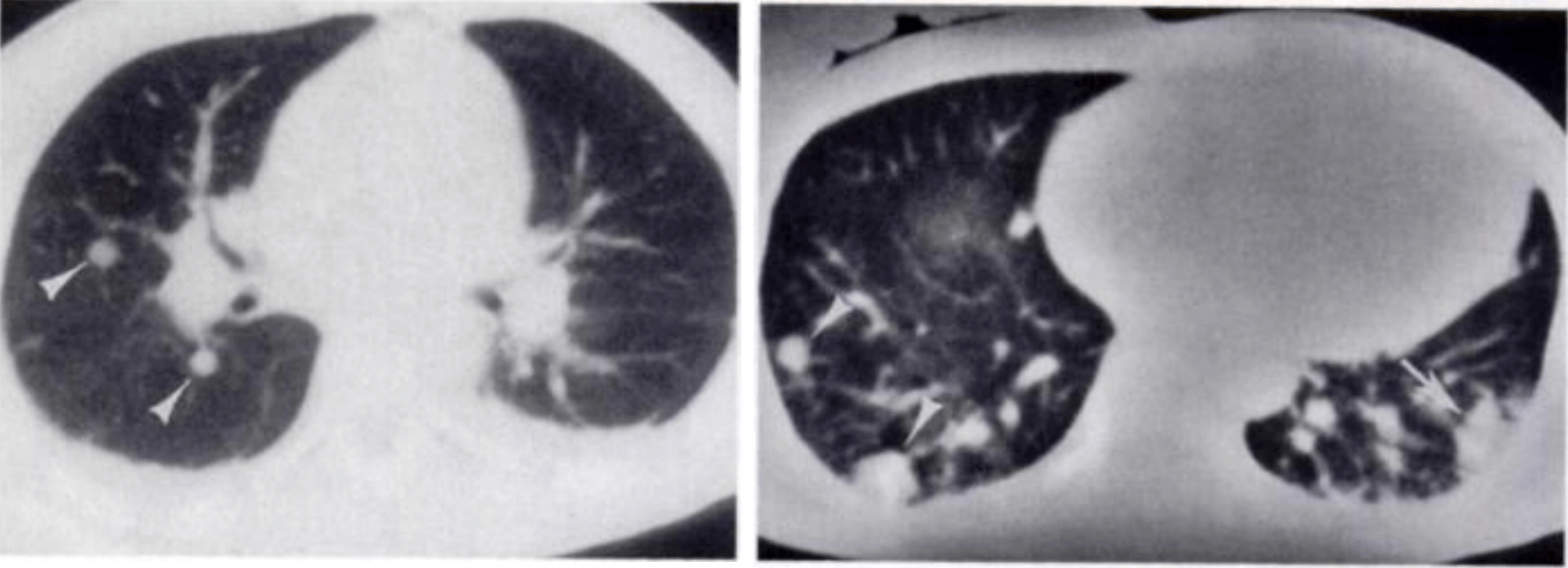
This episode of the podcast was inspired by a patient Hannah cared for. The patient was found to have septic pulmonary embolism (SPE). On rounds, Hannah’s fellow offered an explanation. Hannah was inspired by this and dug into the topic a bit more. Septic vs Bland Pulmonary Embolism A septic pulmonary embolus is a clotContinue reading “Episode 14: Why do septic pulmonary emboli occur in the periphery and bases of the lungs?”
Episode 13: Why does uremia cause platelet dysfunction?

For this episode of the podcast, we discussed why renal failure leads to platelet dysfunction. More specifically we discussed the so-called “uremic platelet”. Amazingly, the connection between renal failure and bleeding has been observed for a long time. This association was first recognized in 1764 by Giovanni Battista Morgagni. In 1836, Richard Bright observed thatContinue reading “Episode 13: Why does uremia cause platelet dysfunction?”
Episode 12: Why does magnesium treat torsades de pointes?
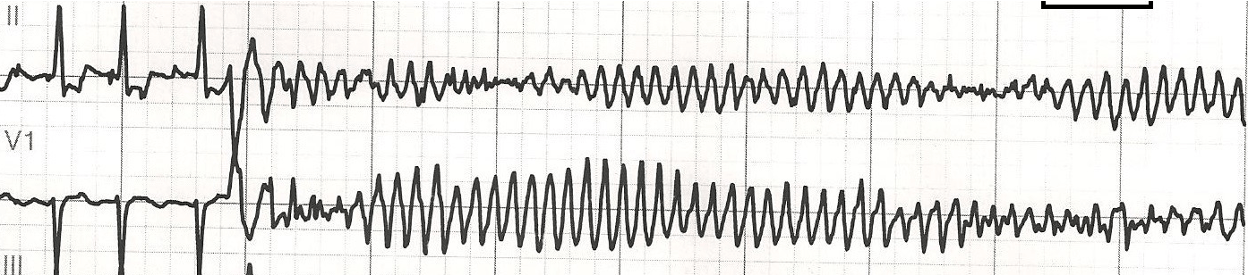
For this episode of the podcast, we discussed magnificent magnesium. In particular, we reviewed why it is so effective at treating torsades de pointes and other seemingly unrelated conditions like asthma and eclampsia. Torsades de pointes was first described by a French physician named Francois Dessertenne in 1966, after he observed the characteristic EKG findingsContinue reading “Episode 12: Why does magnesium treat torsades de pointes?”
 The Curious Clinicians