
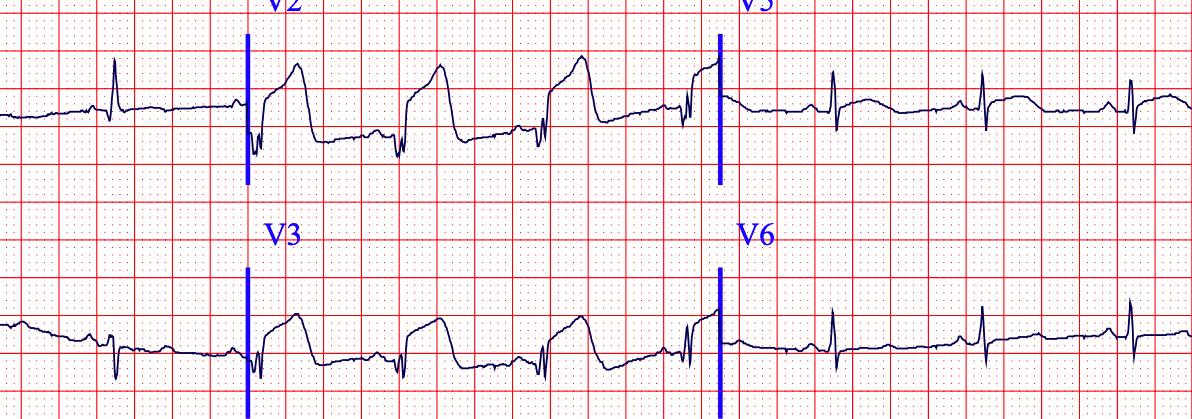
In this episode of the podcast we explored why transmural myocardial infarctions cause ST elevations on EKG. While the it seems obvious that STEMIs are associated with ST elevations, the mechanism involved is fascinating and leads to doubts about the name! To begin, recall that the ST segment represents the isoelectric period between depolarization andContinue reading “Episode 20: Why do myocardial infarctions cause ST elevation?”
Category Archives: Uncategorized
Episode 19: (Why) does DIC cause shock?

For this installment of “intern questions” Hannah wondered “Does DIC causes shock”? This question was prompted by an interaction she had when admitting a patient with a diagnosis of shock. When reviewing the possible etiologies, she and a medical student realized that disseminated intravascular coagulation (DIC) may cause some component of shock. Because DIC mayContinue reading “Episode 19: (Why) does DIC cause shock?”
Episode 18: Why is thirst quenched so quickly?

This episode of the podcast was prompted by two questions. First, why do patients with primary polydipsia continues to drink despite a decrease in serum sodium and serum osmolarity. Second, why do we immediately become thirsty when we eat something salty. And, conversely, wondered why is our thirst immediately satiated after just a few sipsContinue reading “Episode 18: Why is thirst quenched so quickly?”
Episode 17: Why does bilirubin deposit in the eyes?
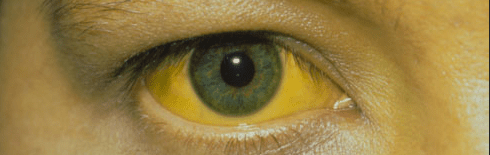
This was the second episode in a two-part series called “The Eyes Have It”. In the first episode we talked about the connection between Wilson disease and copper deposition – the Kayser-Fleischer ring. For this episode, we discussed something else that deposits in or around the eye: bilirubin. Unlike with Kayser-Fleischer rings – a difficultContinue reading “Episode 17: Why does bilirubin deposit in the eyes?”
Episode 16: Why do Kayser-Fleischer rings form in the cornea in Wilson disease?
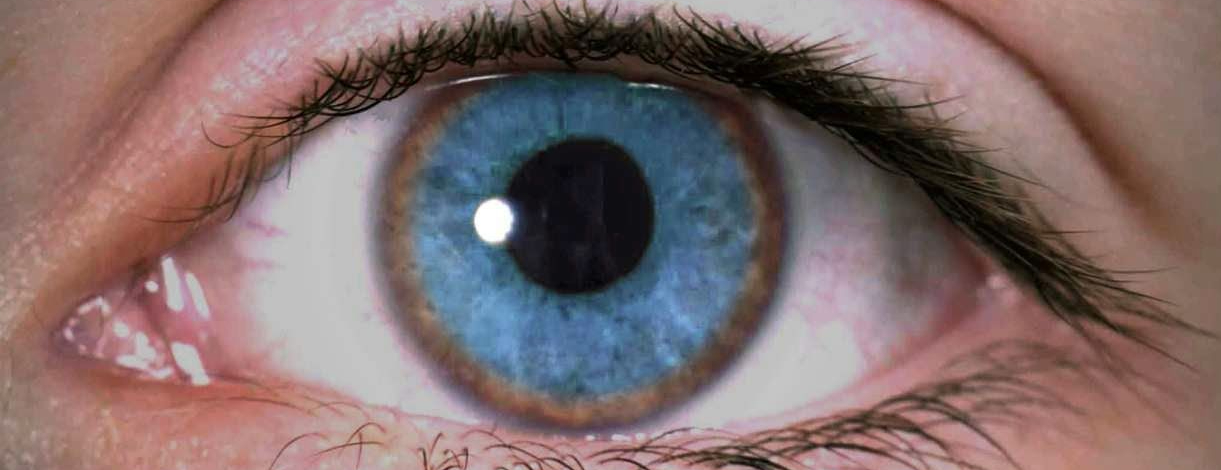
This is the first episode in a two part series we called “The Eyes Have It”. For this episode, Avi discussed Kayser-Fleischer rings, the well-known – if rarely seen – physical exam finding associated with Wilson disease. Wilson disease is an autosomal recessive inherited dysfunction of the ATP7B copper transporter, whereby copper is unable toContinue reading “Episode 16: Why do Kayser-Fleischer rings form in the cornea in Wilson disease?”
 The Curious Clinicians