

How does sickle cell trait protect against malaria infection and mortality? In any medical genetics course, sickle cell trait (SCT) and sickle cell disease (SCD) are sure to be brought up early and often. They follow an easily-understood inheritance pattern and can be used as examples in teaching biochemistry basics such as protein folding andContinue reading “Episode 81 – Avoiding Malaria”
Category Archives: Uncategorized
Episode 80 – A Scleroderma Crisis

Why do we use ACE inhibitors to treat scleroderma renal crisis? In a day of seeing adult patients in any type of clinic, it’d be hard to not hear the words “ACE inhibitor” at least once. Since the introduction of captopril in the mid-1970s and subsequent family members like lisinopril, ACE inhibitors have been gameContinue reading “Episode 80 – A Scleroderma Crisis”
Episode 79 – Kurious Keto
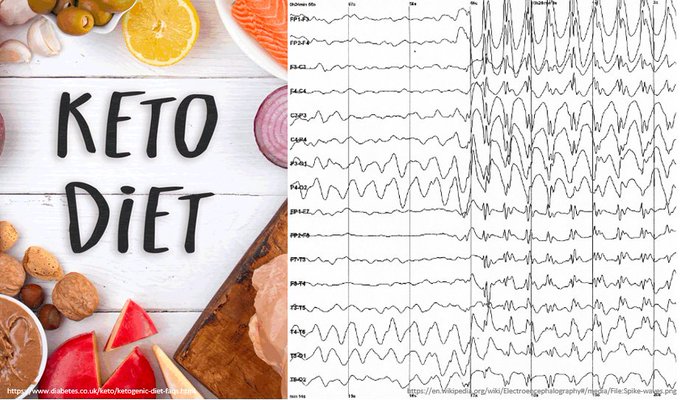
Why can a ketogenic diet help control seizures in epilepsy? Many forms of dietary therapy make intuitive sense. 18th-century sailors with scurvy were treated with lime juice and other sources of the missing vitamin C. Patients with diabetes mellitus are counseled to avoid foods with a high glycemic index. And those with chylothoraces, where aContinue reading “Episode 79 – Kurious Keto”
Episode 78 – Valve Privilege

Why don’t we use immunosuppressants for artificial heart valves? Progressive heart valve failure leads to dreadful outcomes, including heart failure and death. Valve replacement surgery emerged in the 1950s and 1960s as a surgical remedy for calcified aortic stenosis and regurgitation. This began in 1952 when Charles Hufnagle was the first to implant a plasticContinue reading “Episode 78 – Valve Privilege”
Episode 77 – Irregularly Irregular

Why is hyperthyroidism associated with atrial fibrillation? Many of us have evaluated for hyperthyroidism in patients with new-onset atrial fibrillation. The association between hyperthyroidism and sinus tachycardia may make sense, particularly given that other endocrine conditions associated with sympathetic surge (e.g., pheochromocytoma) show the same. However, the association with atrial fibrillation (AF) isn’t immediately apparent.Continue reading “Episode 77 – Irregularly Irregular”

