
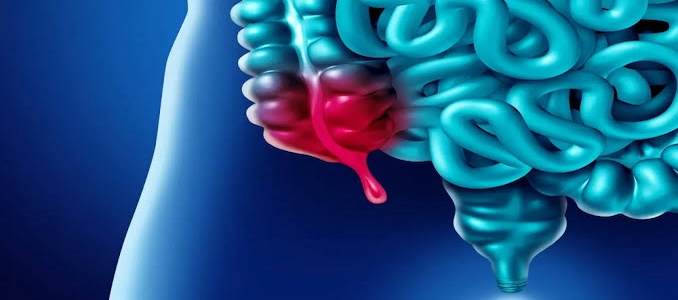

Have you ever thought to yourself why humans still have an appendix? After all, it has more of a reputation for being a troublemaker and sending people to surgery than it does for anything useful.
The technical name is vermiform appendix, and “vermiform” means “worm-like” in Latin. Interestingly, the appendix was described as being worm-like by ancient Egyptians during their mummification process long before the Latin. As part of that process, the organs of the deceased would be removed and preserved in special containers called canopic, or Coptic, jars. According to surgeon Dr. Collins in his 1931 article “Historic Phases of Appendicitis,” some of these ancient jars had hieroglyphic inscriptions referring to something called the “worm of the bowel.”
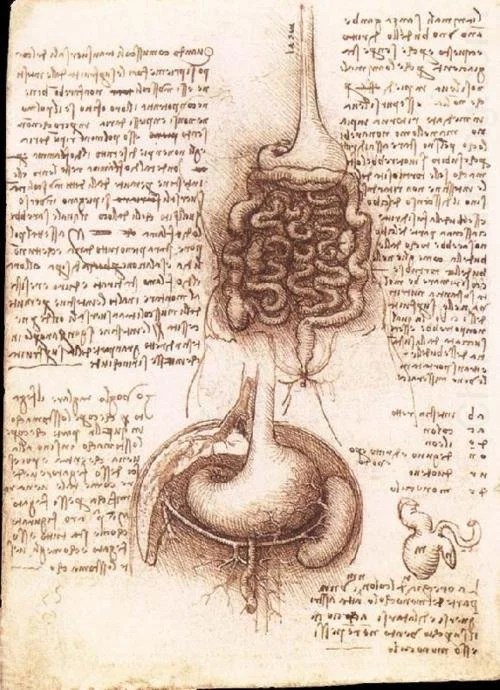
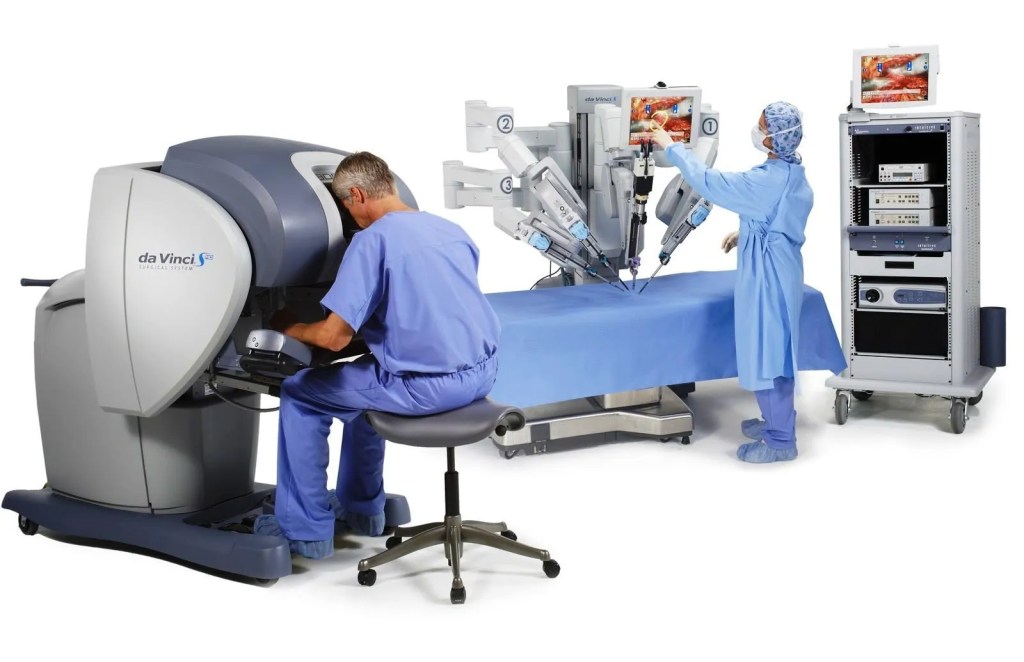
While the appendix was recognized as early as ancient Egypt, the anatomist Jacopo Berengario da Carpi is generally credited with the first written description in 1521. However, Leonardo da Vinci was fascinated by anatomy and created one of the earliest known anatomical drawings of the human appendix in 1492, making it one of the earliest documented depictions in Western literature. The da Vinci robots used in surgeries today are named after Leonardo da Vinci as a tribute to the man who helped advance the study of human anatomy.
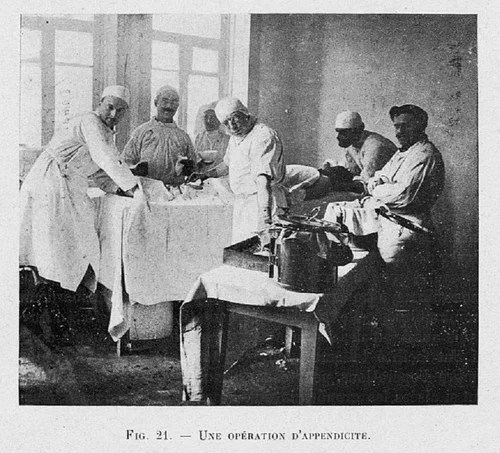
Acute appendicitis is the most frequent acute abdominal emergency. Just in the United States, approximately 300,000 hospital visits are reported annually related to appendicitis, and in 2016, the country’s total spending on appendicitis was $9.3 billion. The first appendectomy was performed by Dr. Claudius Amyand in 1735 at St. George’s Hospital in London. The patient was an 11-year-old boy whose appendix had been perforated by a pin he had accidentally swallowed. Since General anesthesia wasn’t available until 1846, patients were completely awake in these initial appendectomies, and it took multiple assistants to physically restrain patients while the surgeon operated on them.
Once appendectomies began to be performed, it became apparent that the appendix wasn’t necessary for survival. Most people who had their appendix removed recovered just fine and went on to live long, healthy lives. From there, people deduced that the appendix was basically functionless, and for a long time, we really weren’t sure why humans had one in the first place. However, in 1871, Charles Darwin offered the 1st hypothesis about the appendix in his publication, The Descent of Man and Selection in Relation to Sex, where he suggested that it was a vestigial organ – a body part that had lost most or all of its original function through evolution. He believed it was leftover from our ancestors, who ate a much more plant-heavy diet. Animals that eat a lot of leaves tend to have a much larger cecum to help break down tough, fibrous plants. As our ancestors’ diets shifted more toward fruit, Darwin thought there was less need for that large fermentation chamber, so the cecum shrank and the appendix remained as an evolutionary leftover.
https://www.museumofhealthcare.ca/blog/a-mere-appendix

https://www.museumofhealthcare.ca/blog/a-mere-appendix
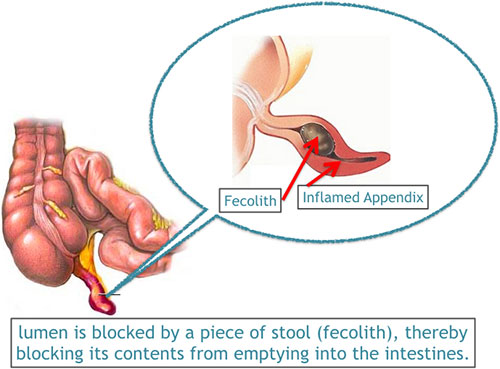
As for the cause of appendicitis, in 1886, Harvard pathologist Dr. Reginald Heber Fitz officially coined the term “appendicitis” and contended that the cause of most “right lower quadrant” inflammatory disease was the appendix. About 40 years prior to Fitz’ paper, Volz thought obstruction of fecal matter might cause “pericecal inflammation.” Fitz in his paper also attributed fecoliths as a main cause of appendicitis based on his own findings as a pathologist and also cited Matterstock’s findings. Lastly, he also suggested treating acute appendicitis via appendectomy, which at that time was groundbreaking. Prior to this, treatment was largely bed rest and pain management, while surgery was reserved for abscesses and peritonitis.
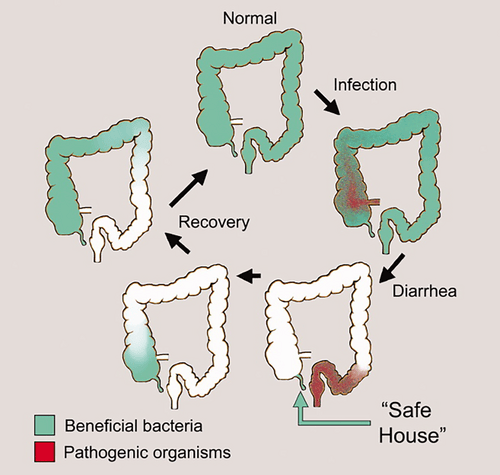
Returning to the heart of our question – does the appendix actually have any function? In the early 2000s, researchers at Duke University began looking more closely at the appendix and discovered it might play an important role in our immune system. They found that the appendix contains many beneficial bacteria, which are organized into something called a biofilm. Interestingly, they noticed that these biofilms were especially concentrated in the appendix compared to other parts of the large intestine. The farther away they looked from the appendix, the less biofilm they found. Because the appendix is a small, narrow tube that branches off the main part of the intestine, the researchers suggested it could act like a “safe house” for good bacteria. Basically, when someone has severe diarrhea or some GI illness, many of the bacteria in their gut can get flushed out along with everything else. But because the appendix is tucked away from the main flow of the intestine, some of those beneficial bacteria can stay protected inside it. Then, once the illness is over, those bacteria could leave the appendix and help repopulate the rest of the gut. So instead of being a useless leftover organ, the appendix may actually help protect and restore the healthy bacteria in our digestive system.
Although we now have some evidence that the appendix may help maintain our gut microbiome and support the immune system, we still haven’t studied the long-term effects of removing it. However, a 2021 study from South Korea looked into this using the country’s National Health Insurance database. They analyzed almost 500,000 patients who had undergone an appendectomy and compared them with people who still had their appendix and followed these patients for 5 years. They found that people who had their appendix removed had higher rates of Crohn’s disease and ulcerative colitis. They also found significant associations with C. diff infections, sepsis, and colorectal cancer. The researchers concluded that people who had an appendectomy may have an increased risk of developing these conditions; however, this was an observational study, and there may be other factors involved – still, it challenges the idea that the appendix is a vestigial organ, as Darwin had presumed.
More recently, researchers have started revisiting the idea of whether antibiotics could be just as effective as surgery for treating some cases of acute appendicitis. This isn’t a new idea; in the 1940s and ’50s, doctors in England were already treating some patients with antibiotics instead of immediately removing the appendix, and they reported good results. One of the more recent major studies was the APPAC trial, a randomized clinical trial published in 2015. Researchers in Finland looked at patients with uncomplicated appendicitis and found that about 73% of patients treated with antibiotics were able to avoid surgery during the first year. Then there was the much larger CODA trial in the U.S., published in 2020. It included more than 1,500 adults and found that antibiotics were noninferior to appendectomy, at least in the short term. Nearly 3 out of 10 patients who initially received antibiotics did end up having an appendectomy within 90 days. As our understanding of the appendix continues to evolve, the way we manage appendicitis may also change.
Take Home Points
- From the late 1800s until recently, the leading hypothesis about the purpose of the appendix was one by Darwin that it was a vestigial organ, essentially a body part that lost most or all of its original function as our ancestors moved from a plant-heavy diet to a fruit diet.
- In the early 2000s, researchers at Duke discovered that the appendix may actually have a role in our immune system. Compared to the rest of the colon, the appendix contains more concentrated biofilms of beneficial gut bacteria. The researchers suggested it acts like a reservoir in the sense that when one has diarrhea/infection, the “good” bacteria stored in the appendix can then disseminate and repopulate the rest of the colon.
- There may be an association with higher rates of crohn’s disease, ulcerative colitis, C. diff infections, sepsis, and colorectal cancer in people who have undergone appendectomies, although this came from an observational study and more research needs to be conducted
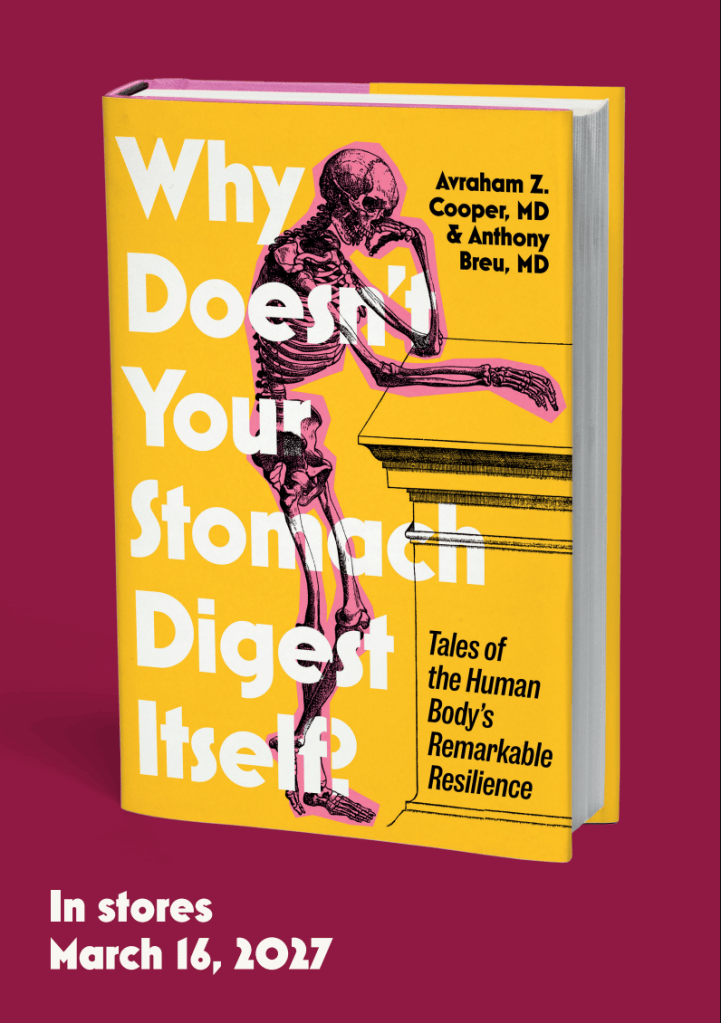
****And just a quick reminder that you can pre-order your copy of Avi and Tony’s new book at the link below. It’s called Why Doesn’t Your Stomach Digest Itself? Tales of the Human Body’s Remarkable Resilience and it’s a celebration of the human body’s incredible ability to exist, heal, and endure. Please do share it with your friends and colleagues!
https://wwnorton.com/books/9781324117117/about-the-book/description
Sponsor
This episode was sponsored by FIGS. FIGS is offering 15% off your first purchase. Just go to wearfigs.com and use the code FIGSRX at checkout
Listen to the episode!
https://directory.libsyn.com/episode/index/id/43767579
CME/MOC
Click here to obtain AMA PRA Category 1 Credits™ (0.5 hours), Non-Physician Attendance (0.5 hours), or ABIM MOC Part 2 (0.5 hours).
As of January 1, 2024, VCU Health Continuing Education will charge a CME credit claim fee of $10.00 for new episodes. This credit claim fee will help to cover the costs of operational services, electronic reporting (if applicable), and real-time customer service support. Episodes prior to January 1, 2024, will remain free. Due to system constraints, VCU Health Continuing Education cannot offer subscription services at this time but hopes to do so in the future.
Credits & Suggested Citation
◾️Episode written by Millennium Manna
◾️Show notes written by Millennium Manna
◾️Audio edited by Clair Morgan of nodderly.com
Manna M, Cooper AZ, Abrams HR, Breu AC, Buonomo G. Why Do Humans Still Have an Appendix? The Curious Clinicians Podcast. November 16, 2026.
Image Credit: https://www.qoctor.com.au/appendicitis/

