
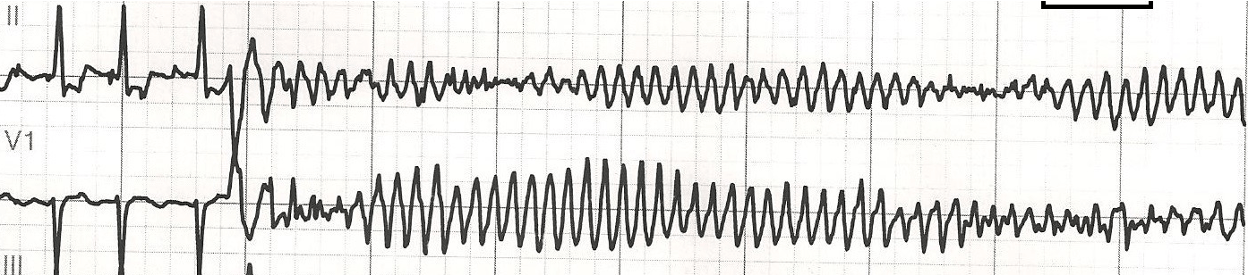
For this episode of the podcast, we discussed magnificent magnesium. In particular, we reviewed why it is so effective at treating torsades de pointes and other seemingly unrelated conditions like asthma and eclampsia. Torsades de pointes was first described by a French physician named Francois Dessertenne in 1966, after he observed the characteristic EKG findingsContinue reading “Episode 12: Why does magnesium treat torsades de pointes?”
Author Archives: Tony Breu
Episode 11: Why can acetaminophen toxicity cause an anion gap acidosis?
For this episode of the podcast, we discussed the first in a series of questions Hannah has asked during the first-half of her intern year. As she noted the routine ‘first round’ differential for an anion gap metabolic acidosis typically includes lactic acidosis, keto-acids, and uremic acids (e.g., sulfuric and phosphoric acids). If one ofContinue reading “Episode 11: Why can acetaminophen toxicity cause an anion gap acidosis?”
Episode 10: Why does metronidazole treat both bacterial and parasitic infections?
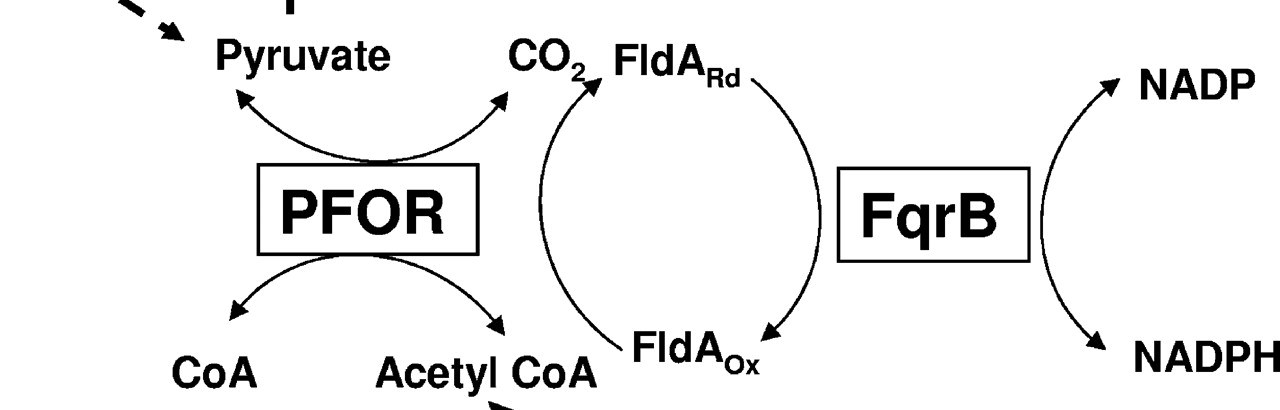
For this episode of the podcast, we explored why metronidazole treats both bacterial and parasitic infections, why it is only effective against anaerobic organisms, and how this relates to the supposed disulfiram-like reaction. Our discussion was based largely on Avi’s tweetorial posted on May 3, 2020. Bacteria AND Parasites? Metronidazole was developed in the 1950sContinue reading “Episode 10: Why does metronidazole treat both bacterial and parasitic infections?”
Episode 9: Why is umami so delicious?
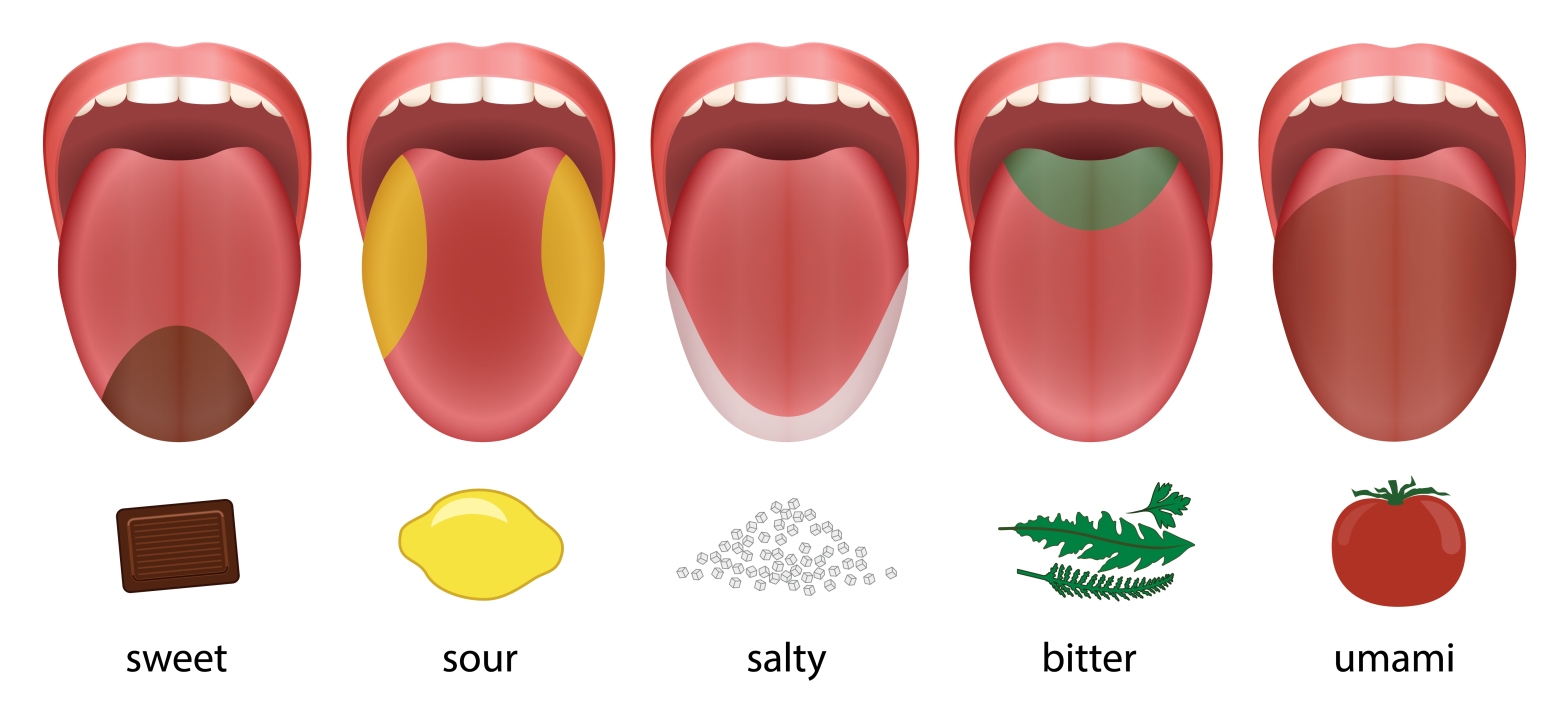
This episode covers a topic that does not – at first pass – appear related to medicine: umami! Here is a link to the Tweetorial Avi posted on this topic: What is umami? Who discovered it? Umami is the flavor of savory deliciousness (it means savoriness in Japanese), and is separate from the other fourContinue reading “Episode 9: Why is umami so delicious?”
Episode 8: Why is dyspnea an anginal equivalent?

Dyspnea is common. We all experience it when we exercise or, if we have medical problems like asthma, when we’re acutely ill. And dyspnea is a common symptom reported by hospitalized patients. As a medical student, I learned early on to ask about chest pain. I also learned that, if the answer was “yes”, I shouldContinue reading “Episode 8: Why is dyspnea an anginal equivalent?”
 The Curious Clinicians